






You’ve probably felt it before you could explain it. A room that changed when someone walked in. A body that remembered something the mind had long since filed away. A release on a yoga mat, a massage table, or in a quiet moment, that left you lighter in a way words couldn’t touch.
You’re not imagining it. And you don’t have to choose between the science and what you’ve felt. Here is how the two fit together, one step at a time.
You’re where energy, consciousness, and matter meet.
Your body is matter: cells, tissue, bone. It’s also electrical. Every heartbeat and every thought runs on charge moving through you. The heart’s electromagnetic field can be measured a few feet from the body, and the brain’s with an EEG. And somewhere in all of it is you: the awareness having the experience.
Most approaches pick one of the three. Medicine works with the matter. Therapy works with the mind. Energy healing works with the field. We work where they meet, because that’s where you actually live.
Everything you live through moves energy through you.
When something threatens you, your body floods with energy to meet it: adrenaline, a racing heart, muscles ready to run or fight. It’s built to rise, do its job, and then discharge.
Watch an animal in the wild after a narrow escape. It lies down and shakes, trembles, breathes deep, until the charge is gone. Then it gets up and goes back to grazing. Wildlife biologists know what happens when an animal can’t discharge that energy: a condition called capture myopathy, where the held stress breaks down the body itself.
We rarely shake it off. We’re taught to keep it together, stay professional, not make a scene. So the energy stays.
Stress goes in automatically. It doesn’t leave automatically.
What isn’t released, the body organizes around.
Held energy doesn’t just sit there. Your body adapts to it, the way a tree grows around a fence. Shoulders brace. Breath shortens. The spine and the tissue along it hold a shape. Over months and years, the adaptation becomes a pattern, and the pattern becomes your normal.
These patterns aren’t random. There are a handful of main ones, and each has its own signature on the body: where tension sits, how the spine holds, how the breath moves. They can be found and measured, physically, on the body itself.
This is what stress and trauma really are, at the level of the body: energy that was meant to move, held in place by a pattern built to survive it.
The pattern shapes how you think, feel, and act.
A pattern held in the body doesn’t stay in the body. It runs underneath your thoughts: the loop that won’t stop, the reaction that’s bigger than the moment, the fear you can explain but can’t shake. Your consciousness is shaped by the system it’s riding in.
This is why insight so often isn’t enough. You can understand exactly why you are the way you are, and still be that way. The understanding happens in the mind. The pattern lives in the nervous system and the energy holding it there.
You are the way you are because of what your body is still holding.
The nervous system is the bridge.
At its smallest scale, matter stops behaving like solid stuff. In the double-slit experiment, particles like electrons sent through two openings spread out and interfere with each other like waves, until they’re measured. Measure which opening each one goes through, and the wave pattern disappears. Physicists still debate what that means, and most say “measurement” is about interaction, not a conscious mind. But the lesson is hard to un-learn: underneath the solid world is something more like energy and possibility, and how you interact with it changes what you get.
Physics doesn’t prove energy healing, and we won’t pretend it does. What it does is open the door. Matter is less solid than we were taught, and the universe is more participatory.
Your nervous system is where that participation happens in you. It’s physical: nerves, spine, tissue. It runs on energy: charge, signal, field. And it responds to your attention. Where you put your awareness, things begin to move. Attention, awareness, and will are how a person reaches the place where the physical and the energetic meet.
Two ways in: your own attention, and resonance.
Everything we do works at that bridge, directly with the nervous system. There are two ways to reach it, and each is built the way it is for a reason.
Mindworx: your own attention
If attention is how a person reaches the bridge, it can be trained. That’s why Mindworx works the way it does.
It isn’t meditation, and it isn’t about quieting the mind. It’s a series of exercises that use your awareness to follow the noise in your head down to the energy driving it, and your attention and will to let that energy go.
You learn it in stages, a few minutes a day, until you can find what your system is holding and release it on your own, anywhere.
Table Work: resonance
Some patterns are held deeper than attention alone can reach at first. That’s why Table Work works the way it does.
Strike a tuning fork, and another tuned to the same note starts to ring on its own. That’s resonance. A trained practitioner’s nervous system becomes that tuned instrument.
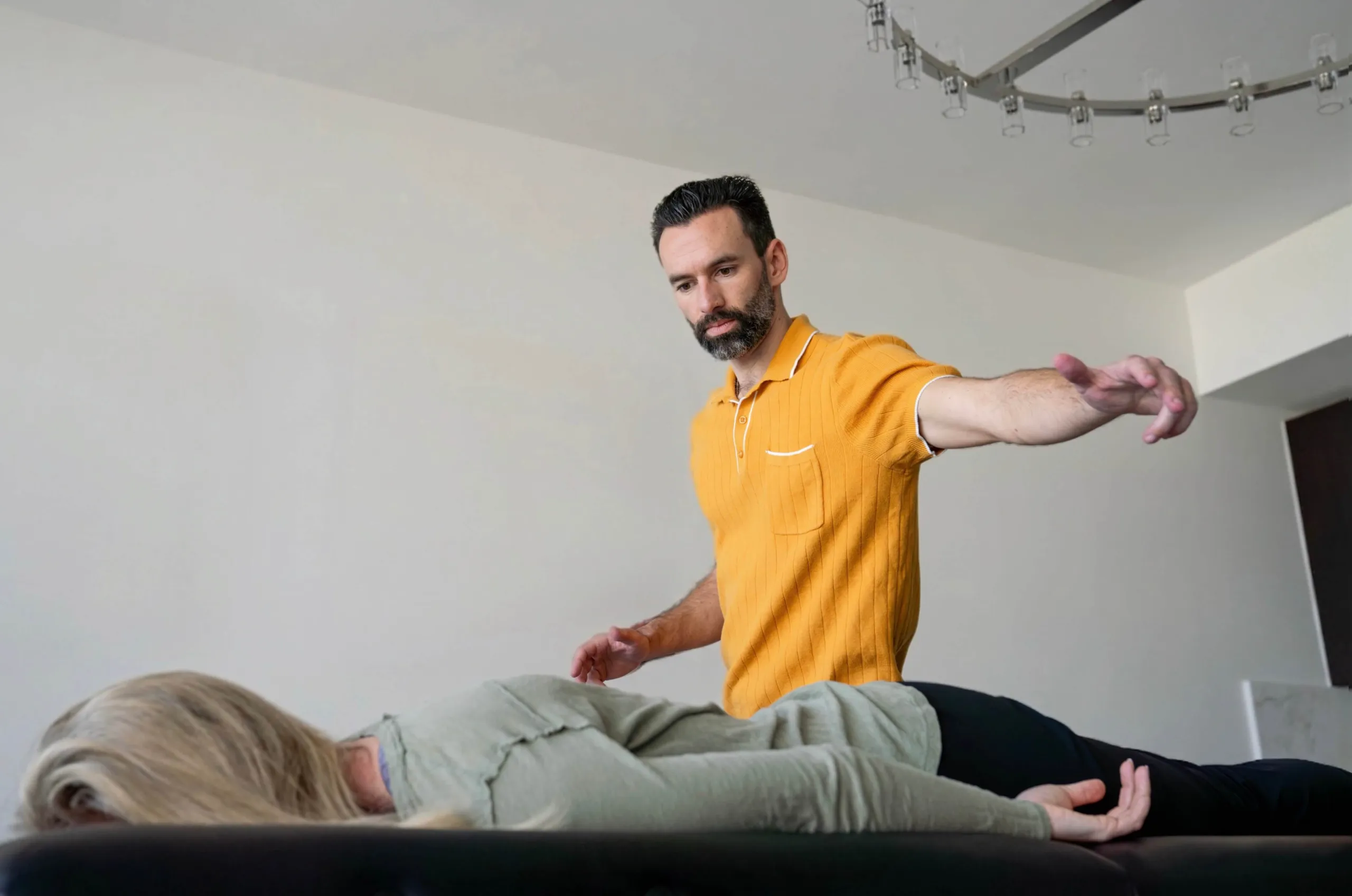
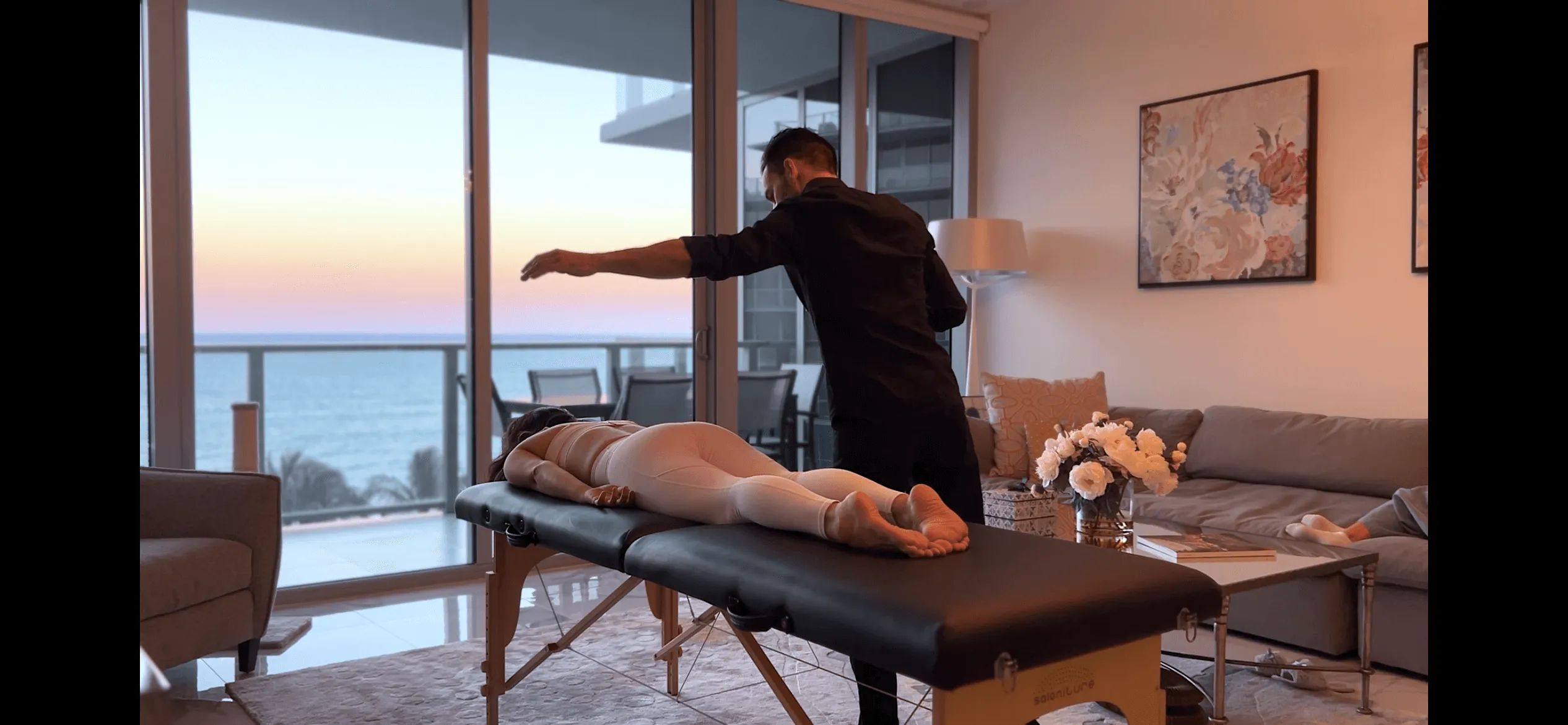
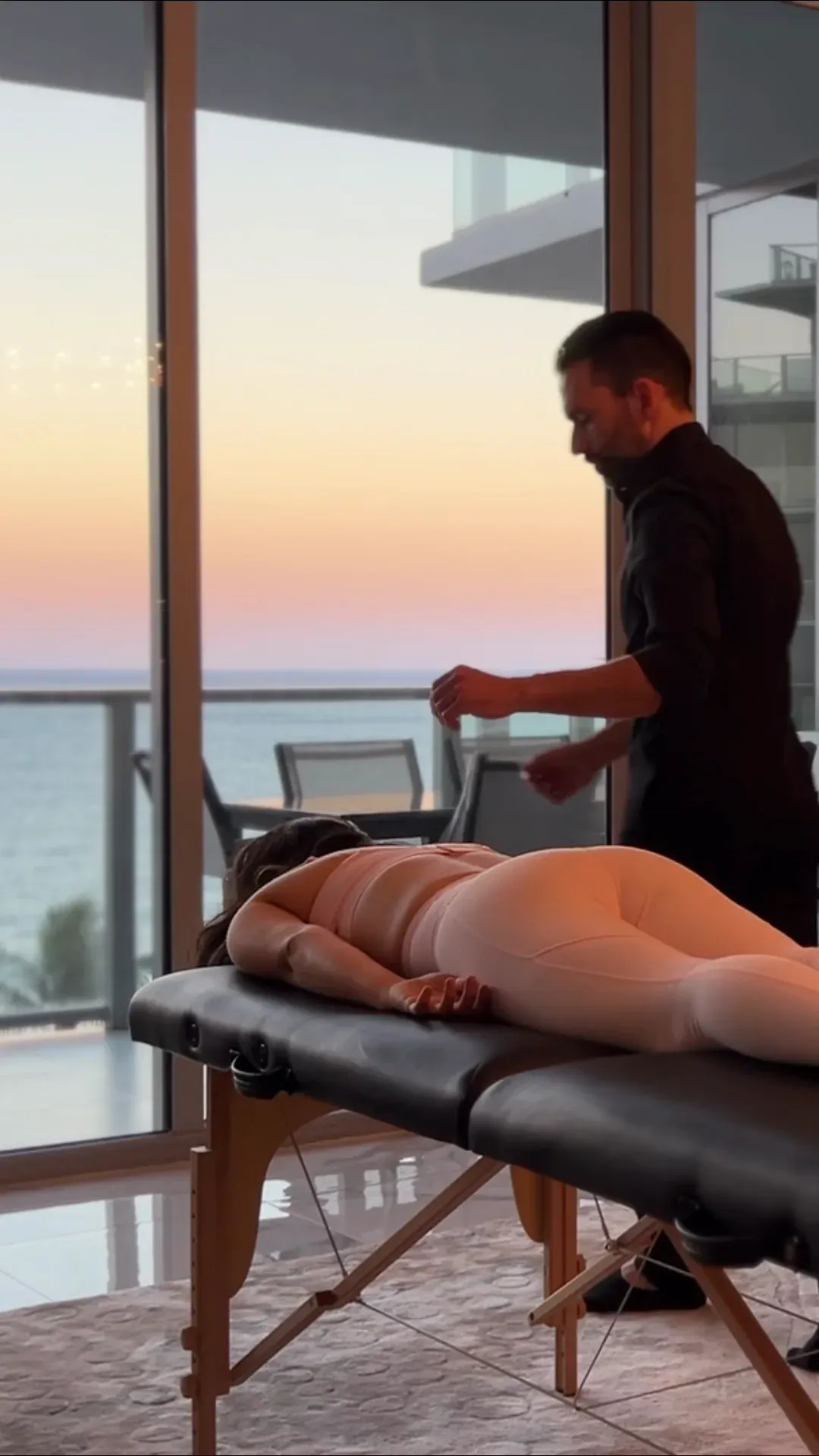
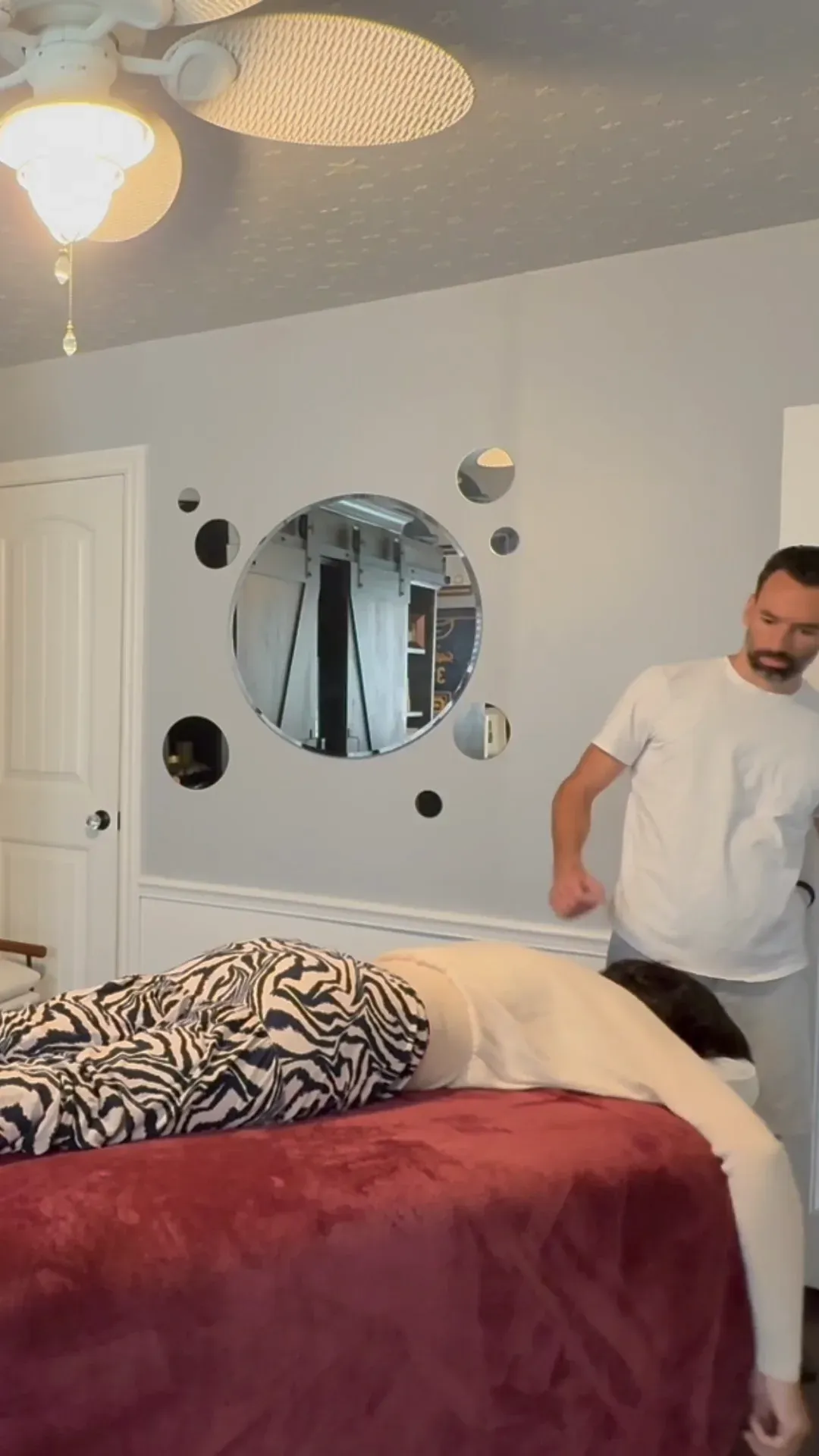
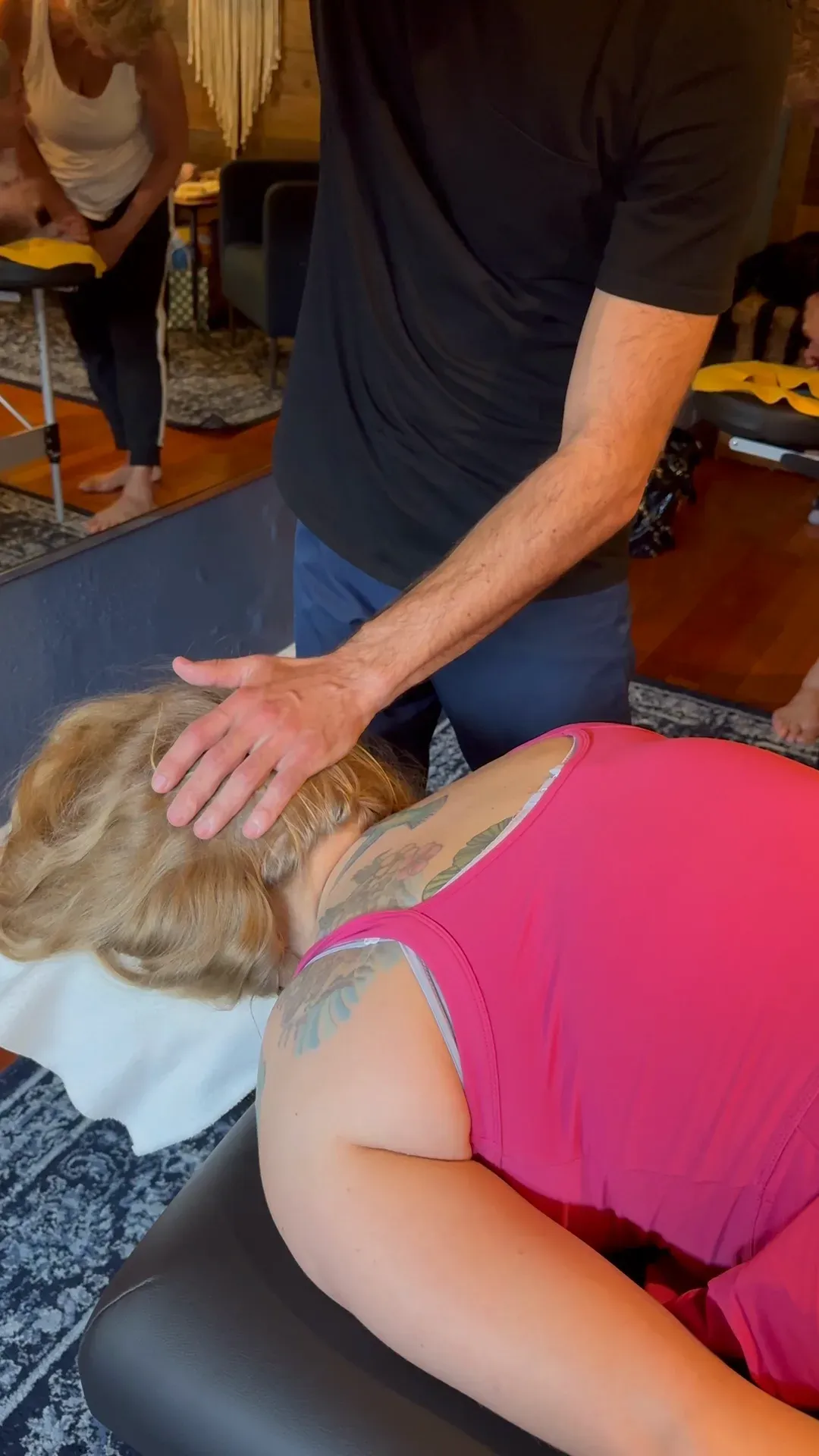
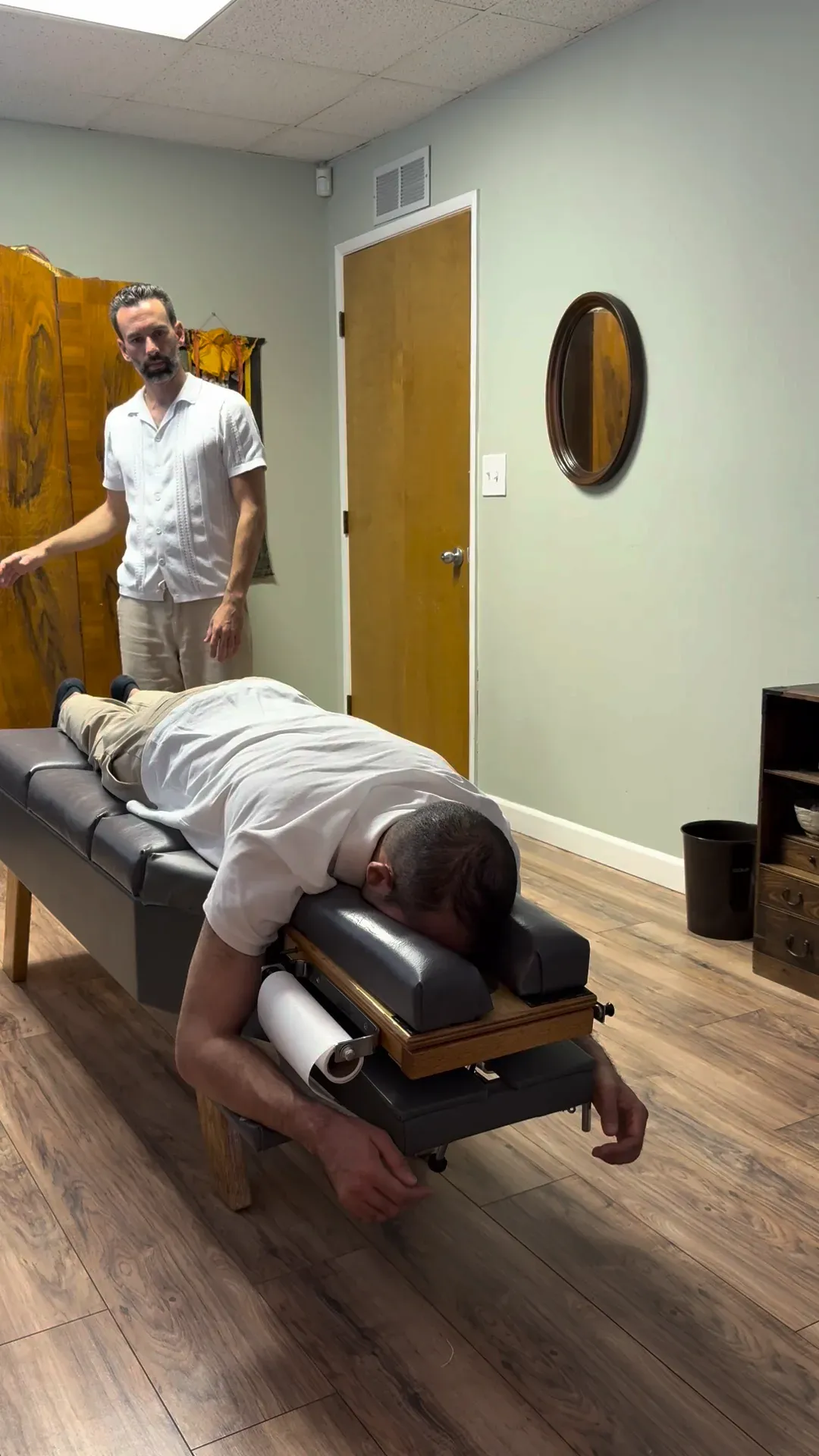
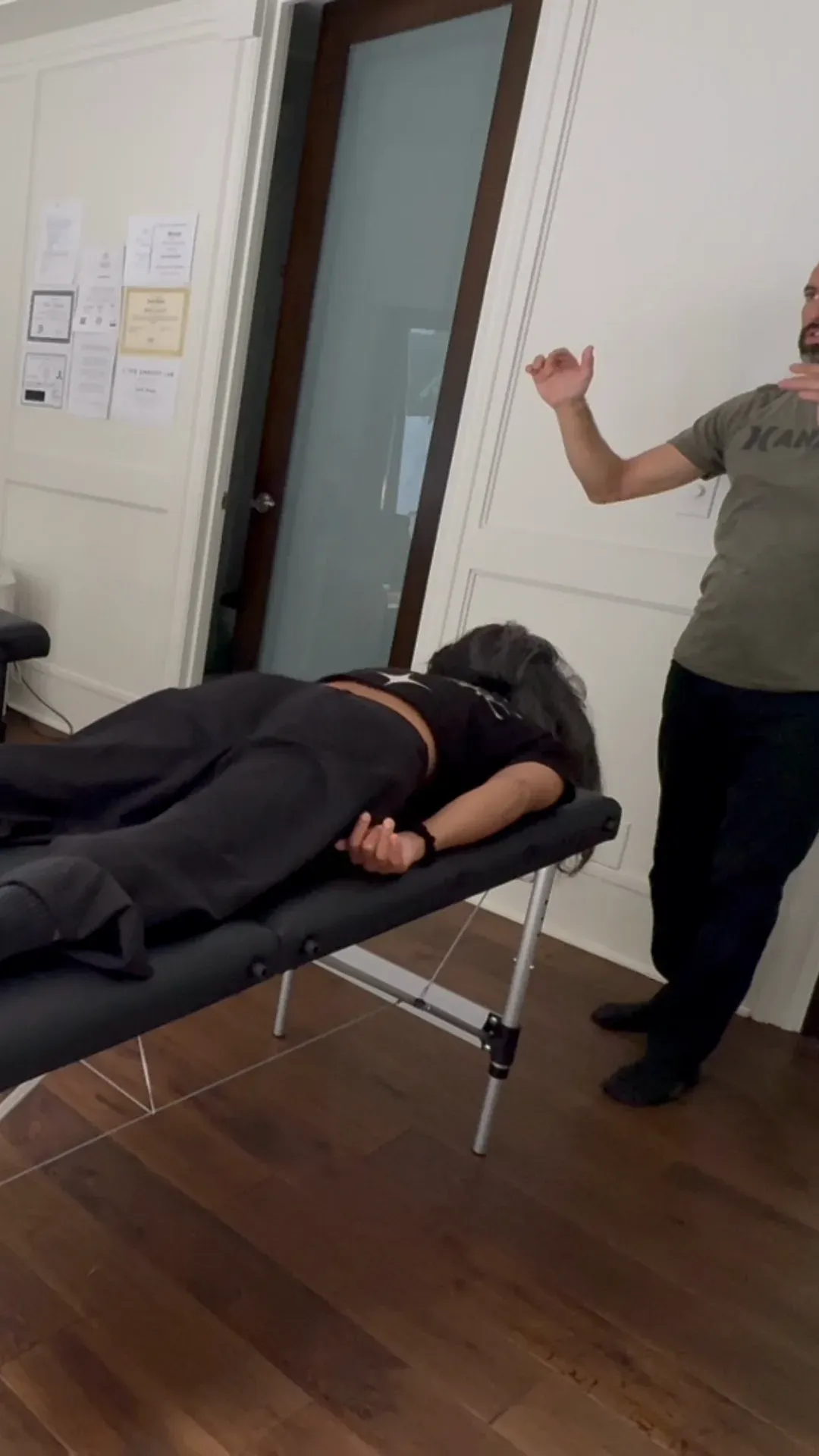
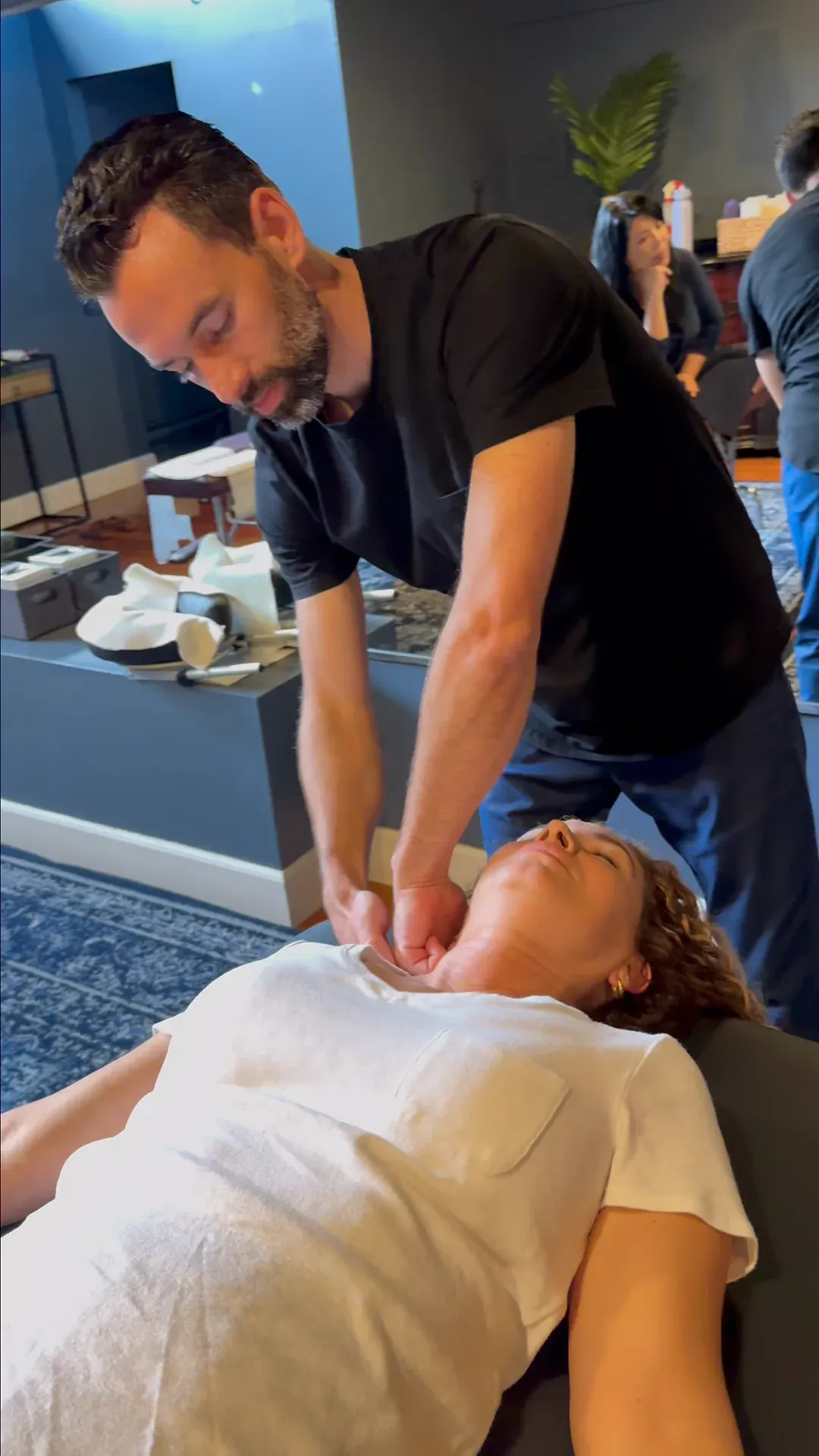
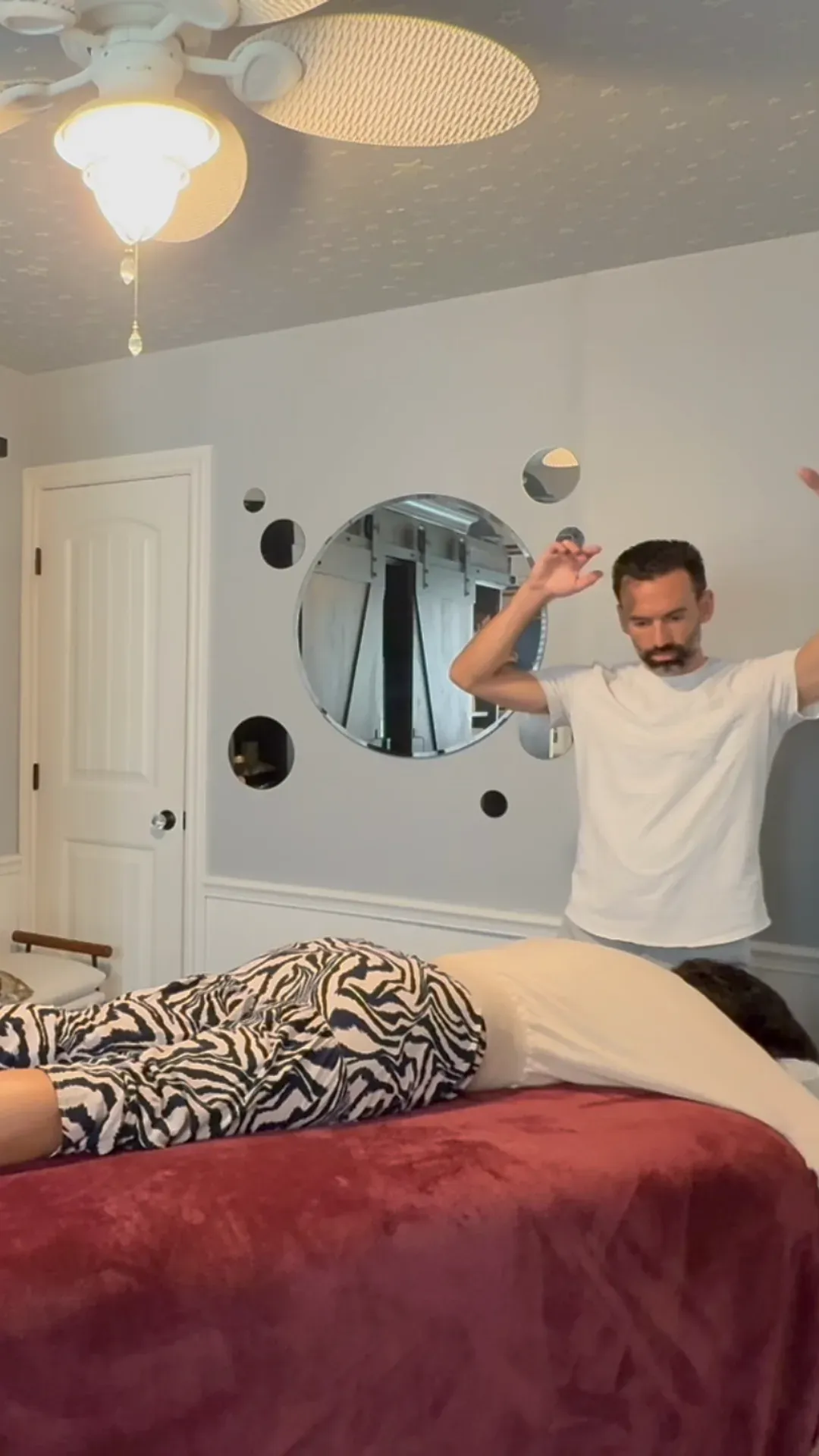
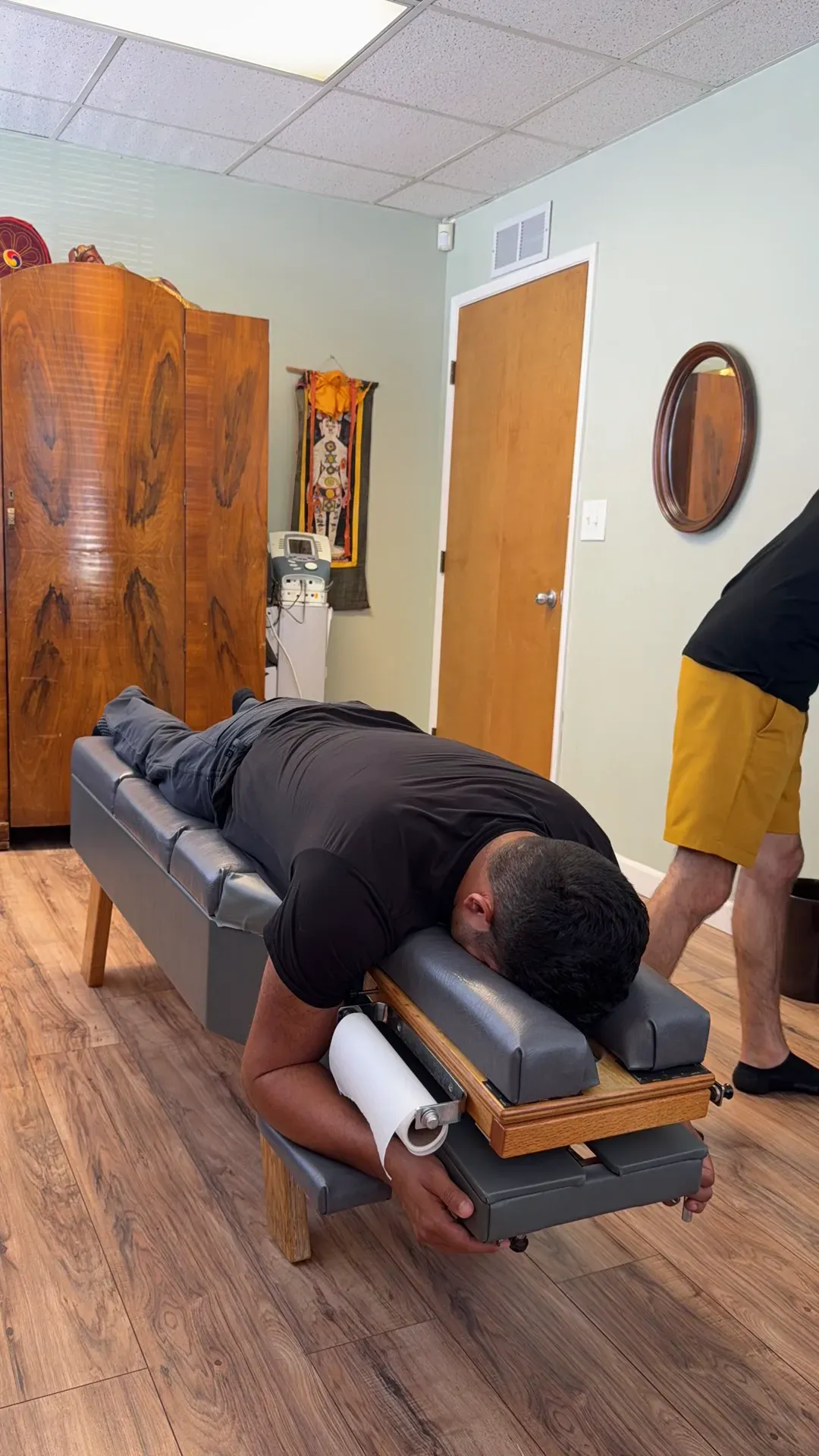
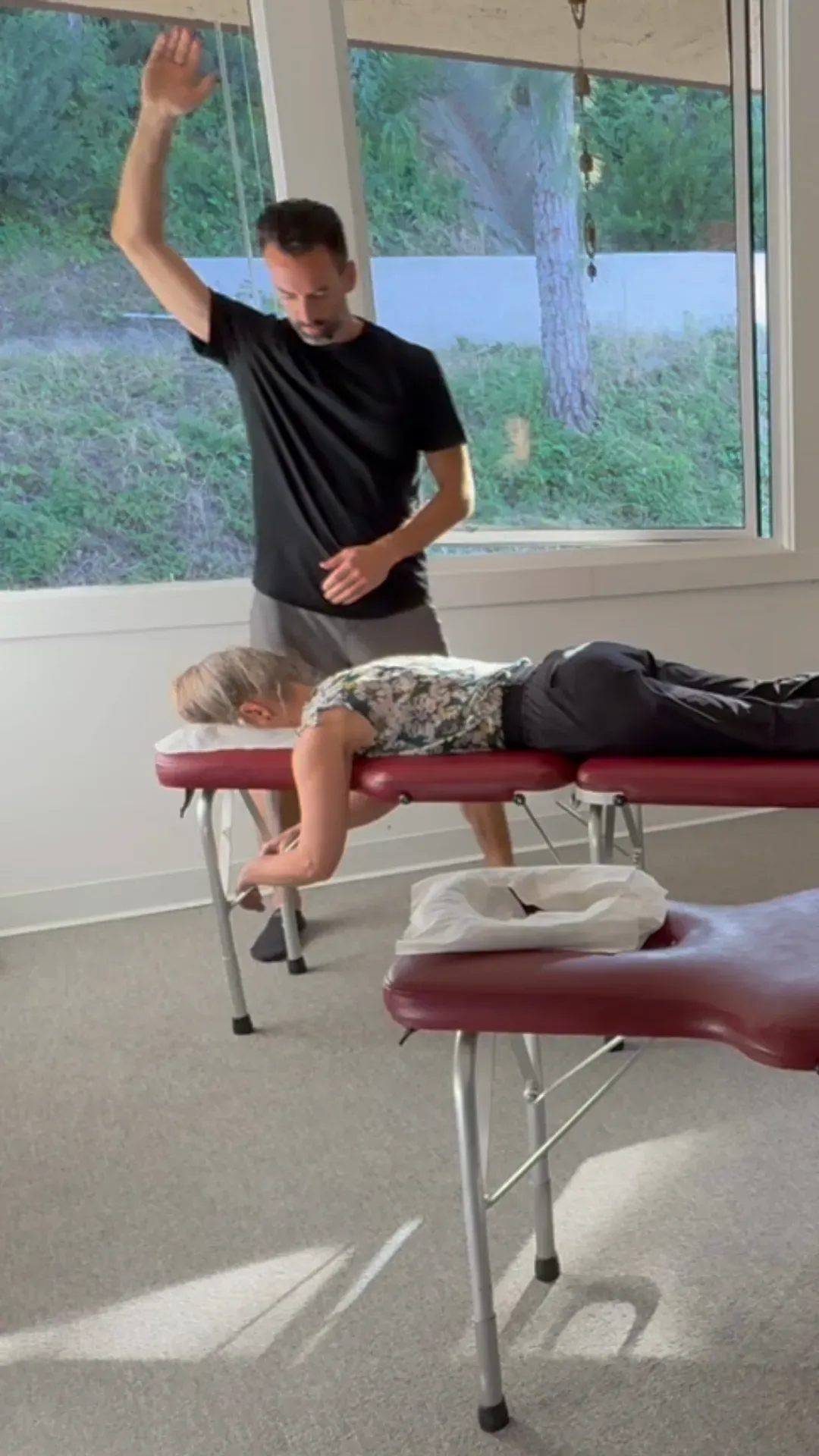
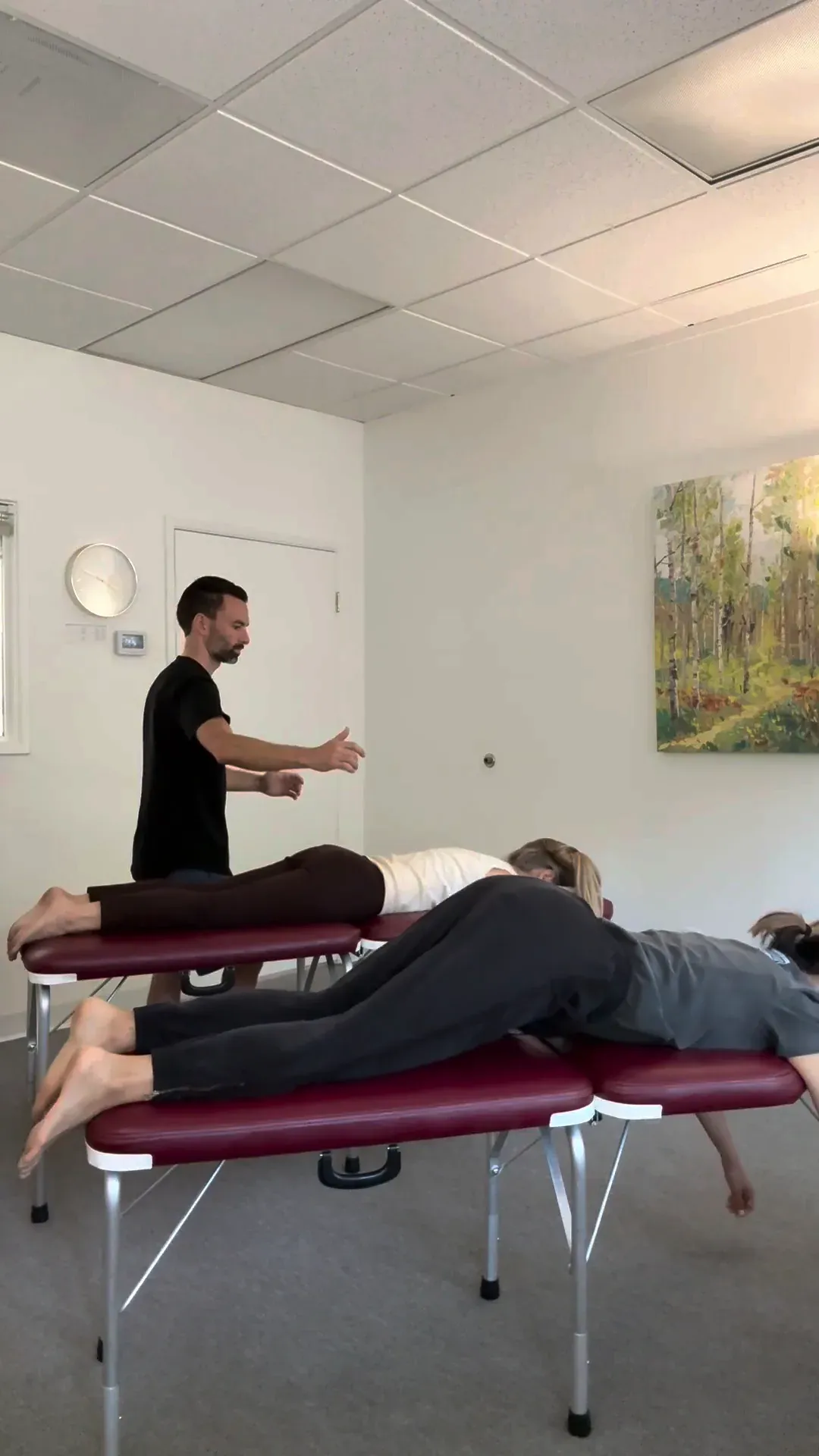
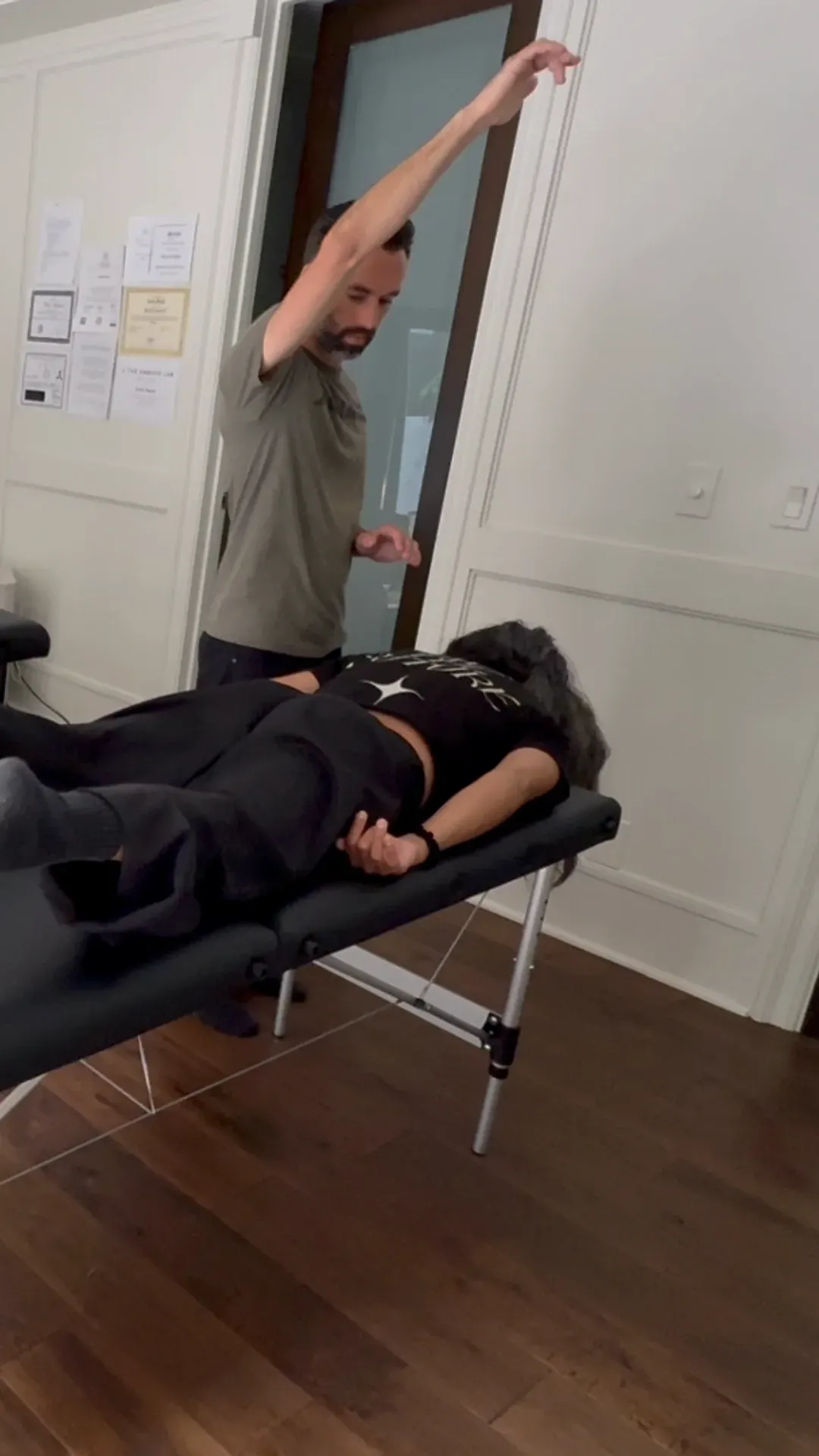
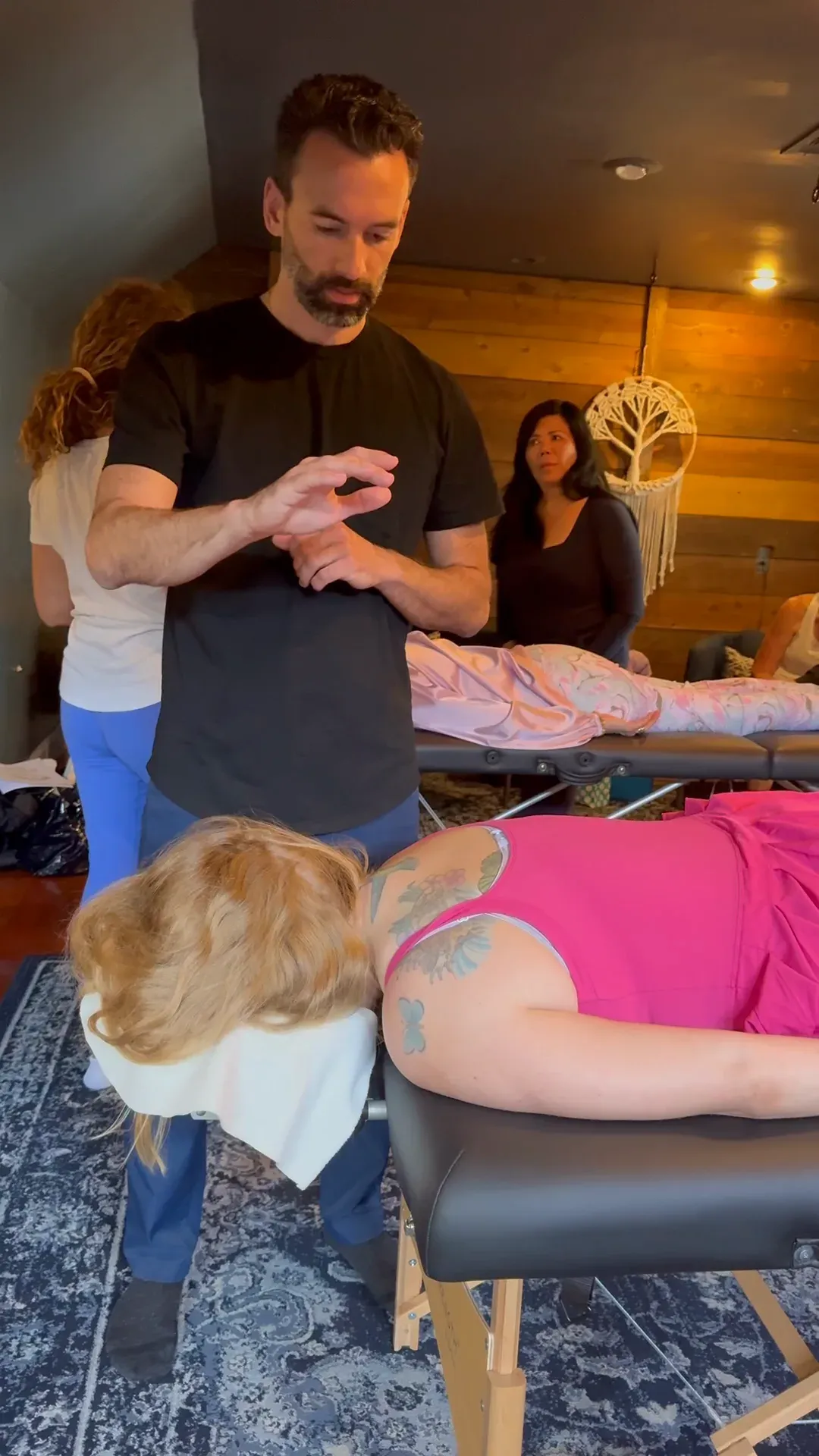
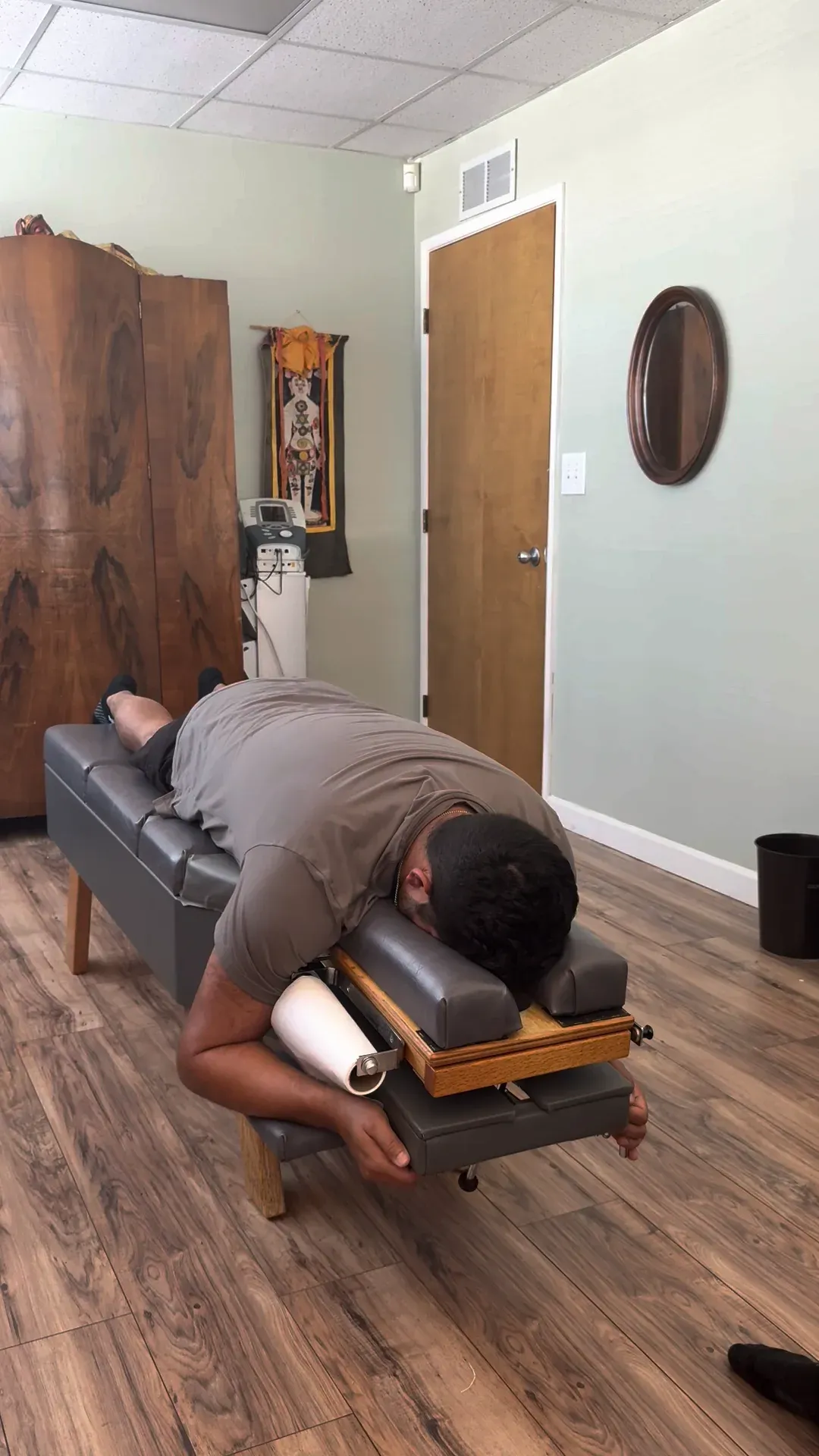
On the table, I find the pattern your system is holding, physically, along the spine. Each pattern has specific points down the spine, and light, precise contact there (sometimes none at all) gives your system the input it needs to reorganize. The energy holding the pattern in place is released and redistributed, available to use again.
Clients feel it as a deep, unforced breath, small twitches as held tension lets go, sometimes a wave that moves along the spine on its own: a natural rhythm researchers have documented. And the two strengthen each other: the more you train your own awareness, the more your system can receive on the table.
Nothing is forced, and nothing is put in. Your system already knows how to let go.
What changes when the energy moves.
The health of your nervous system defines your capacity, so when it stops spending energy on holding, you have more of that capacity to give. Most people feel it first as ease: a quiet in the body that wasn’t there before, sleep that actually restores. Then as energy: more of it, and steadier. Some tell us they walk away with less pain. And over time, as the pattern loosens, how they think and react starts to change too.
“It’s a hardwiring shift. And then you can play new software. It’s like you just updated the hardware and now the system can receive new information and start to operate differently.”